
How Water Damage Restoration Works in Chandler
The six steps an East Valley restoration company typically follows, from the first call to the final drying log, so you can judge whether a quote covers everything.
Get Free Quotes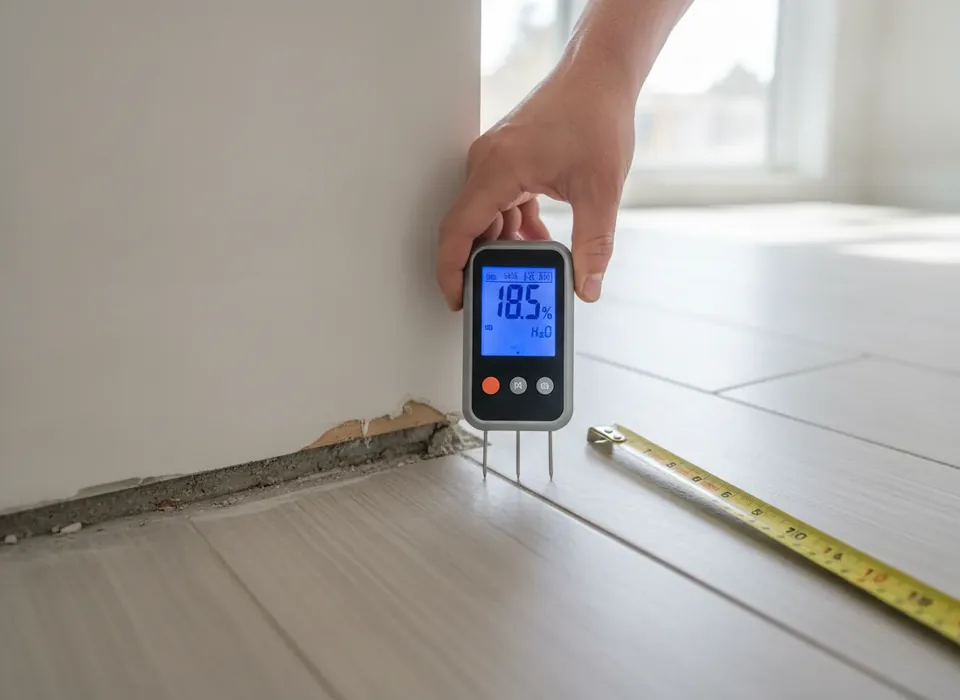
What happens first
On a typical first visit the company finds the edges of the wet area, pulls up standing water and sets drying equipment. The order below follows the industry's standard sequence; how long each step takes depends on the water type, where it went and how long it sat.
Chandler Water Damage Pros does not do any of this work. These steps describe what the independent, ROC-licensed companies you are matched with typically do, so you know what to expect and what to ask.
The six steps
1. Call and stop the water
You shut the main, cut power to wet rooms and describe the loss through the form or by phone. Independent restoration companies reply, and the one you choose sends someone out. If a pipe is still leaking or a slab leak is suspected, a plumber may need to come first; many restoration companies will coordinate one. Providers typically offer 24/7 emergency response, but response times are theirs to set.
2. Inspection and moisture mapping
The technician walks the house with a moisture meter and often a thermal camera, tracing how far water traveled under tile, into baseboards, up drywall and across the slab. They classify the water (clean, gray or black) and the class of loss, photograph everything and write a scope. Ask for a copy; it becomes the core of an insurance claim.
3. Extraction
Truck-mounted or portable extractors pull standing water off tile, out of carpet and pad, and from any low spots. The sooner this happens, the more material can be dried in place instead of cut out. On a slab, water that has run under tile may need specialty mats or panels to pull it up.
4. Tear-out where needed
Materials that can't be dried or are contaminated come out: wet carpet pad, swollen baseboards, drywall cut a foot or two above the waterline. Before drywall or textured ceilings are disturbed in a rental or some older homes, an asbestos inspection may be required under Maricopa County Rule 370 or Pinal County rules. Single owner-occupied homes are exempt from the county notice rule, but testing older material is still a sensible precaution.
5. Drying and monitoring
Air movers and dehumidifiers are placed to pull moisture out of walls, slab and framing. The house AC usually stays on. The company returns, often daily, to take readings and move equipment, and records them in a drying log. Equipment comes out only when materials read dry against a dry reference in the same house.
6. Rebuild and handoff
Once everything reads dry, replacing drywall, baseboards, cabinets and flooring is contracting work, done by an ROC-licensed contractor; sometimes the same company, sometimes a different one. You should receive the final drying log, photos and an itemized invoice. If your HOA requires design review for exterior or roof repairs, that approval comes before this step.
Contents pack-out
When a loss is large, furniture, boxes, electronics and personal items may be packed out: inventoried, photographed, moved to a dry room or off-site storage, cleaned and brought back once the house is dry. It keeps belongings out of the way of tear-out and drying equipment and gives you a record for your claim.
- Ask for the inventory with photos before anything leaves the house.
- Pull out medications, documents, laptops and anything irreplaceable yourself.
- Wet photos and papers can sometimes be frozen and dried later; ask before throwing them out.
- Upholstery and mattresses soaked by sewage are usually not salvageable.
- Confirm whether pack-out and storage are in the quote or billed separately.
How long drying takes in the Arizona desert
For a typical clean-water loss, plan on three to five days of equipment. Some go faster; a slab or a wall cavity can take longer.
What speeds it up
For most of the year, Chandler's air is very dry, so dehumidifiers and air movers pull moisture out of drywall and carpet quickly. Running the AC helps by keeping indoor humidity low.
What slows it down
During the monsoon (June 15 to September 30), humidity rises and drying slows. Concrete slab holds water and gives it up slowly, especially under tile or vinyl plank. Water that reached the inside of a wall or the attic insulation needs to be opened up or dried with specialty equipment. Hot outdoor air can also make a wall feel dry to the touch when the inside is still wet, which is why companies rely on meter readings rather than touch.
Don't pull equipment early. If someone wants to remove fans and dehumidifiers before the drying log shows dry readings, ask why. Closing a wall over damp framing is how mold starts. Read more in how long water damage drying takes in Arizona and structural drying.
Questions to ask before work starts
- What is your ROC license number? (Look it up at roc.az.gov.)
- Is your team IICRC-trained? Many are; ask.
- Is this quote for drying only, or does it include rebuild?
- Will you give me daily moisture readings and a final drying log?
- Do you bill my insurer directly, and what are you asking me to sign?
- Is an asbestos test needed before you cut drywall in this house?
Costs for each step are in the cost guide. Common questions are in the FAQ. Ready to compare? Get free quotes.
Water where it shouldn't be? Get free quotes.
Tell us what happened and independent East Valley restoration companies can reply with no-obligation quotes.