
85044 (north and east)
About 39,300 residents. Median home built in 1989; 37 percent of homes are from the 1980s and 32 percent from the 1990s. Around 62 percent are owner-occupied. Roughly 9.7 miles from central Chandler.
Ahwatukee sits just west of Chandler across I-10, but it is part of the City of Phoenix, with Phoenix water and Phoenix permits. Its homes are largely from the 1980s and 1990s, which is exactly the age when roofs and water heaters start to fail. Describe the problem once and independent, ROC-licensed restoration companies can reply with free quotes.
Get a Free QuotePresley Development bought about 2,080 acres here in 1970. Maricopa County approved the plans in late 1971, model homes opened in 1973, and parts of the original plan were aimed at retirees. Phoenix annexed the area in stages from the late 1970s through 1987 and designated it the Ahwatukee Foothills Village in 1991. That history explains why addresses say Phoenix while the daily routine often runs through Chandler.
It also explains the housing. Ahwatukee spans two ZIP codes with distinct build eras:
About 39,300 residents. Median home built in 1989; 37 percent of homes are from the 1980s and 32 percent from the 1990s. Around 62 percent are owner-occupied. Roughly 9.7 miles from central Chandler.
About 34,700 residents. Median home built in 1995, with more than half built in the 1990s. About 75 percent owner-occupied. Roughly 10.3 miles from central Chandler.
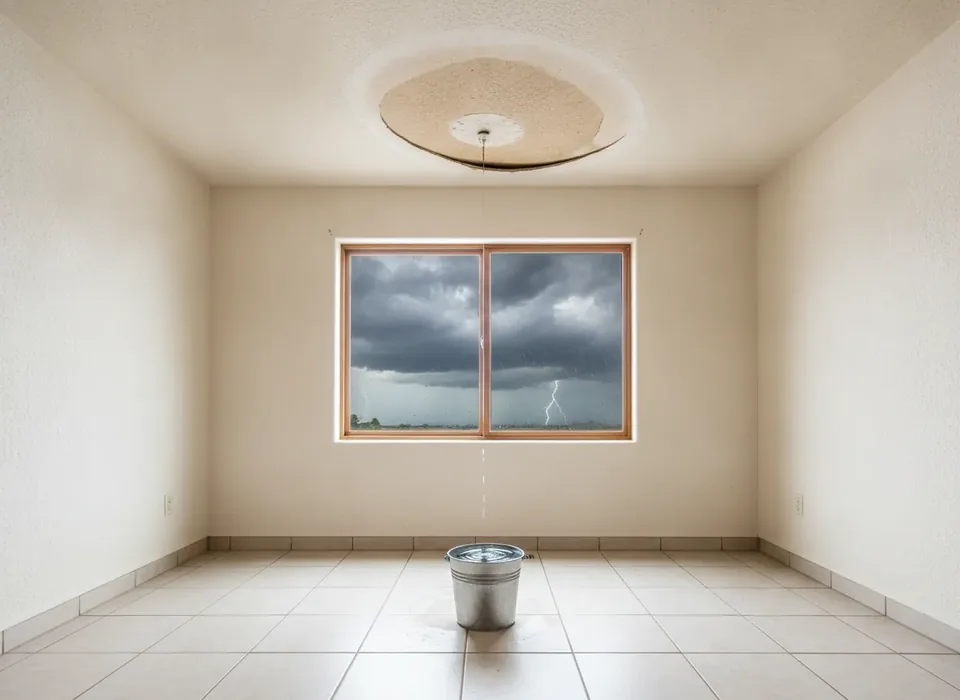
Being in Phoenix rather than Chandler changes your water utility and building department, not the basics of the job. Ahwatukee is in Maricopa County, so Rule 370 governs asbestos in regulated renovations: an AHERA-certified inspection and a 10-working-day notice, with single owner-occupied homes generally exempt. Homes from the 1980s are past the era when asbestos was most common in ceiling texture, but testing before tear-out of older materials is still sensible, especially for rentals.
Many Ahwatukee neighborhoods have HOAs. After a storm, get the roof tarped and the interior dried first, then submit like-for-like roof or exterior repairs for design review. Arizona law says associations may not unreasonably withhold approval, but ask your HOA how it handles emergency repairs.
Once water is out, the real work is structural drying: air movers, dehumidifiers and daily moisture readings until drywall, baseboards and the slab under flooring reach target.
Tell us your ZIP (85044 or 85048), what leaked and which rooms are wet. Independent companies that cover Ahwatukee typically offer 24/7 emergency response and reply with no-obligation quotes. Check any company at roc.az.gov before signing. For an active leak, call Call (727) 300-6656.
Ahwatukee is part of the City of Phoenix, so water service, permits and city codes are Phoenix's, even though many residents shop and work in Chandler. It is still in Maricopa County, so the county's Rule 370 asbestos requirements apply to regulated renovations. Contractor licensing through the Arizona ROC is the same statewide.
If the underlayment has never been replaced, it is worth an inspection. Arizona tile roof underlayment typically lasts about 8 to 20 years, and most Ahwatukee homes were built in the 1980s and 1990s. The tiles themselves often outlast the felt beneath them, so a roof can look fine from the street and still leak in the first heavy storm.
It depends on what got wet and for how long; a slab under tile dries far slower than drywall. Desert air usually helps, while monsoon humidity in the roughly 50 to 70 percent range can slow it. Drying usually runs alongside the home's AC. A company should take moisture readings daily and show you when materials reach target.
Tell us what happened and independent East Valley restoration companies can reply with no-obligation quotes.