
Sewage Backup Cleanup in Chandler, AZ
Sewage on the floor is a health problem as well as a water problem. Here is how to stay safe until help arrives, and how to get free quotes from independent East Valley restoration companies that handle Category 3 water.
Get a Free Quote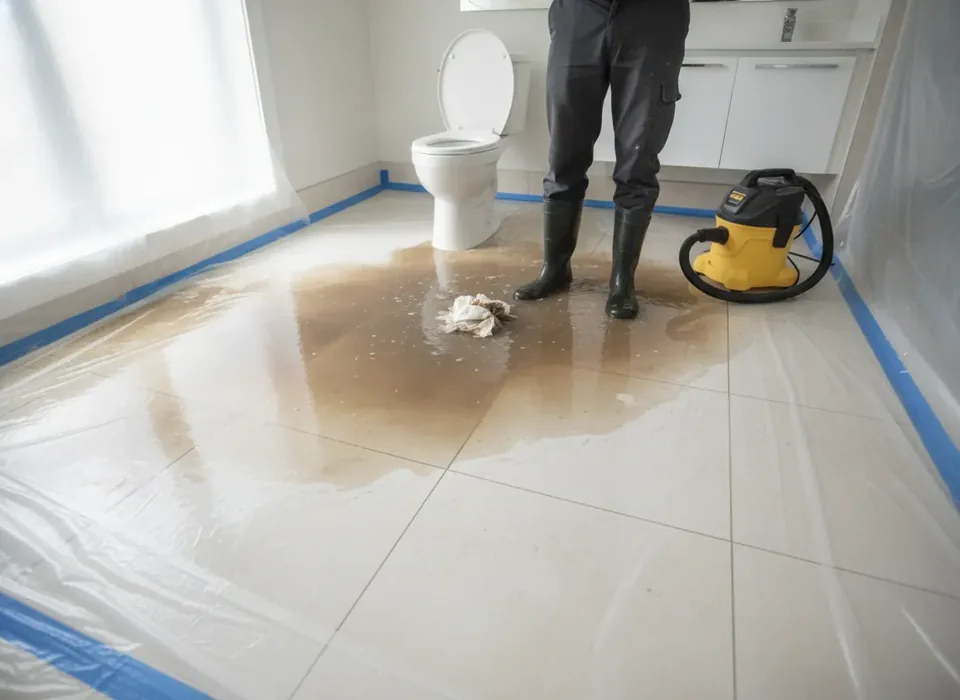
What happens first
Keep people and pets out of the affected rooms. Don't walk through the water barefoot, and don't use a household vacuum or shop vac on it. Stop running water anywhere in the house: no flushing, showers, laundry or dishwasher until the cause is known, because every gallon you send down the drain can come back up.
Switch off power to wet rooms if you can do it without standing in water. Open a window if the smell is strong. Photograph the water and where it is coming from, then call Call (727) 300-6656 or use the form. You'll usually need a plumber to clear the line and a restoration company to clean and dry what the sewage touched.
Why sewage is handled differently
Restoration companies sort water into three categories. Clean water comes from a supply line. Gray water comes from a washer, dishwasher or AC drain. Black water, also called Category 3, includes sewage and toilet overflows with waste. It can carry bacteria and other contaminants, so the rules change.
- Porous materials it touched, such as carpet, pad, drywall bottoms and insulation, are usually removed and bagged rather than dried.
- Hard surfaces like tile, concrete and framing are cleaned and treated with disinfectants before drying.
- Crews wear protective gear and often set up plastic containment to keep the rest of the house clean.
Precautions only: wear rubber gloves and boots if you must go in, wash hands thoroughly, and keep children, older adults and anyone with a weakened immune system away. If anyone develops symptoms after contact, see a doctor.
What sewage cleanup companies do
A typical Category 3 sequence. Ask the company to describe its cleaning and testing steps in writing.
Contain the area
Plastic sheeting and closed doors isolate the affected rooms. HVAC returns nearby may be covered so the air handler doesn't spread odor and contamination.
Remove the water and solids
Contaminated water is extracted with dedicated equipment and disposed of properly.
Tear out porous materials
Carpet and pad, baseboards and drywall that sewage touched are typically cut out and discarded. In older homes, ask about asbestos testing first.
Clean and disinfect
Remaining surfaces are washed and treated. The slab and wall framing are cleaned before drying starts.
Dry and verify
Dehumidifiers and air movers dry the structure. Rebuild comes after readings confirm the area is dry, done by an ROC-licensed contractor.
Common causes in East Valley homes
Sewage backups usually start with a blockage in the line between the house and the street. Grease, wipes and other debris, or tree roots working into an older clay or cast-iron line, can all cause one. In a single-story slab home, the lowest drain is often a shower or tub, so that's where sewage tends to appear first. A toilet overflow with waste counts as Category 3 even when it stays in one bathroom.
The first call for the blockage is a plumber, who can camera-inspect and clear the line. If the problem is in the public sewer main rather than your line, the plumber can tell you, and you should report it to the city. The restoration company's job starts once the water is stopped.
What sewage cleanup typically costs
Black-water extraction typically runs $7–$7.50 per square foot, about double clean water, because of the safety gear, disinfection and disposal involved. Labor runs $70–$200 per hour, plus an after-hours fee of $50–$200 at night. Because more material is removed, the rebuild portion is usually larger than for a clean-water loss of the same size. Typical ranges from national cost guides (Fixr 2025, HomeAdvisor 2025); East Valley quotes vary. Compare categories on the cost guide.
Insurance and sewage backups
Coverage for sewer or drain backup varies a lot. Many homeowners policies limit or exclude it unless a backup endorsement was added, so check your declarations page and ask your adjuster before you assume it is covered. Floodwater that entered from outside is a separate issue and usually needs flood insurance. Keep photos, the plumber's report on what caused the blockage, and receipts for any emergency work. In Arizona, DIFI advises making temporary repairs and holding off on permanent work until the insurer inspects. If a company asks you to sign an assignment of benefits, read it carefully first. See the Arizona claims guide.
Landlords, tenants and HOAs
In rentals, tenants should tell the landlord or property manager right away and in writing. In condos and townhomes, a shared line may make the backup an HOA matter. Who pays depends on the governing documents and the policies involved. See HOA water damage: who pays in Arizona, and ask an Arizona attorney about a dispute.
Always an emergency
Treat any sewage backup inside living space as urgent, especially if it reached carpet, a bedroom or a kitchen, if it keeps coming back, or if anyone in the house is very young, elderly or medically fragile. Related pages: emergency water extraction and mold after water damage.
Sewage backup FAQ
Can I clean up a small sewage backup myself?
A small toilet overflow on tile, caught right away, is often cleaned by homeowners wearing gloves and boots and using a disinfectant. Once sewage reaches carpet, drywall or more than one room, professional cleanup is the safer choice, because porous materials usually have to be removed. Keep children and pets away, and see a doctor if anyone gets sick.
Is it safe to stay in the house during a sewage cleanup?
If the backup is contained to one area with the door closed, many families stay, using a different bathroom once the line is cleared. Consider leaving if sewage spread through living areas, if the smell is strong, or if anyone in the house is pregnant, elderly, very young or has a weak immune system. Ask a doctor if unsure.
Can sewage-soaked carpet be saved?
Usually not. Industry practice for Category 3 water is to remove and discard carpet and pad that sewage touched, because cleaning can't reliably reach contamination in the backing and pad. Area rugs may sometimes be professionally cleaned, depending on the material and value. Tile and sealed concrete can be cleaned and disinfected.
Who pays when the city sewer backs up into my house?
It depends on where the blockage was and on your policy. If a plumber finds the problem in the public main, report it to the city promptly and keep the plumber's findings. Your own insurance may respond only if you have sewer or drain backup coverage. For a claim against a city or HOA, ask your adjuster or an Arizona attorney.
Get free quotes for sewage backup cleanup
Tell the companies where the sewage is, how far it spread and whether the line has been cleared. Independent East Valley restoration companies reply with quotes.
Water where it shouldn't be? Get free quotes.
Tell us what happened and independent East Valley restoration companies can reply with no-obligation quotes.