
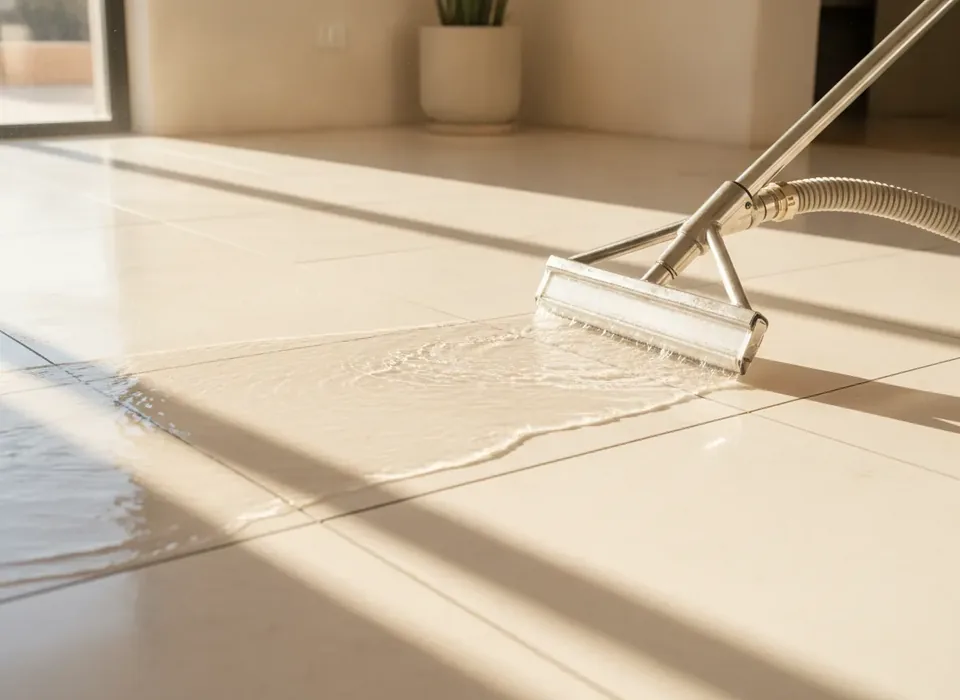
Emergency water extraction
Standing water pulled off tile, carpet and wood before it wicks into drywall and baseboards.
Learn moreBurst supply line, slab leak, monsoon drip through the ceiling? Describe it once and independent, Arizona ROC-licensed restoration companies serving Chandler and the East Valley reply with no-obligation quotes.
Each guide explains what restoration companies typically do for that kind of loss, the usual price range, and what is different about it in a desert city with hard water and a monsoon season.
Standing water pulled off tile, carpet and wood before it wicks into drywall and baseboards.
Learn more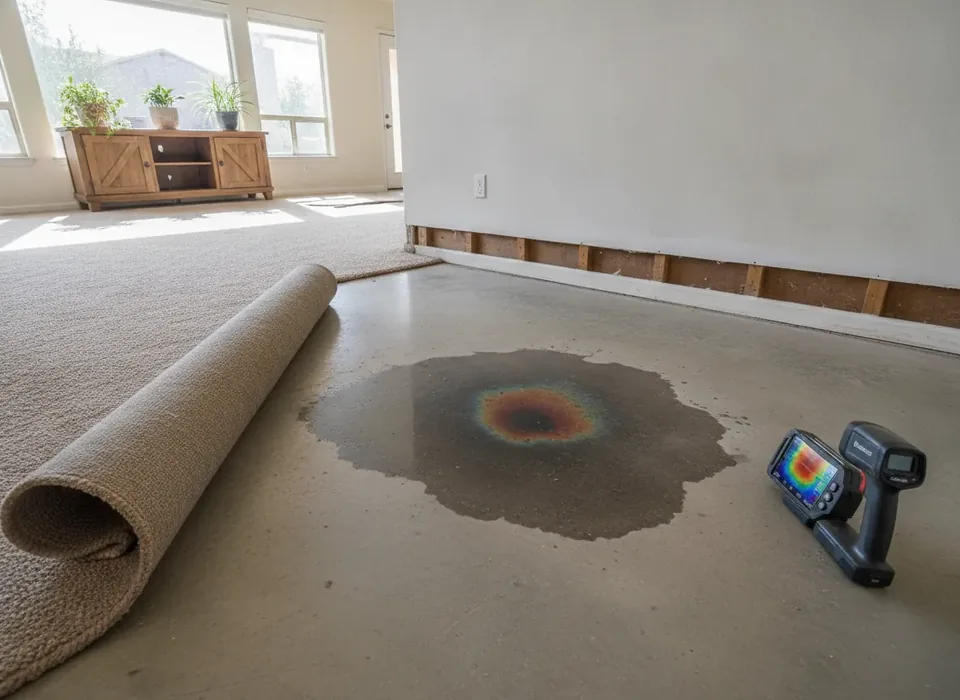
A plumber finds and fixes the line under the slab; a restoration company dries the floor and walls.
Learn more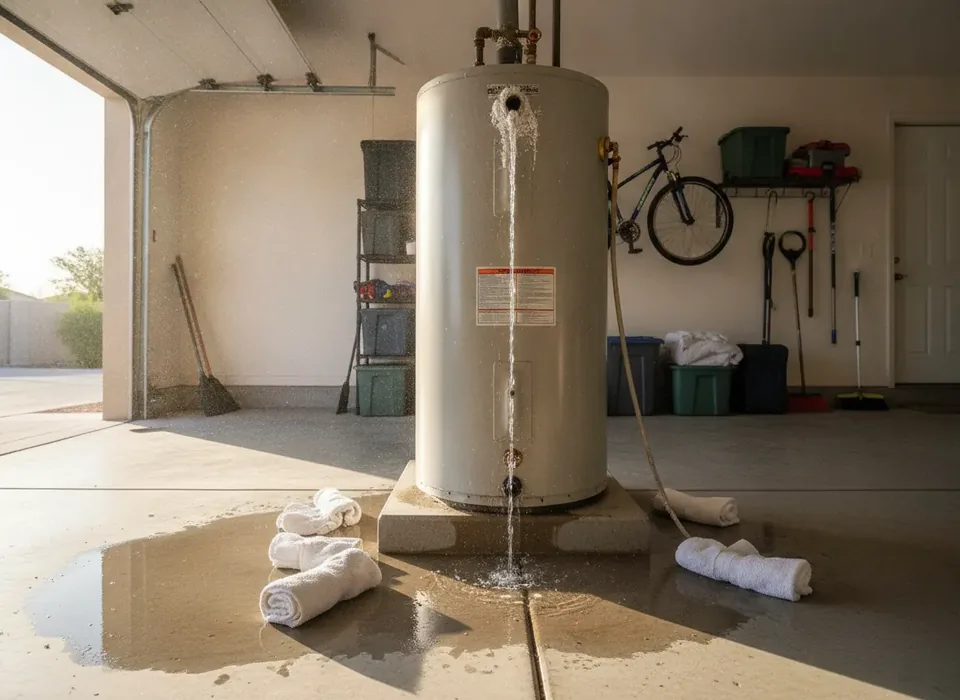
Hard water wears out tanks, valves and supply lines. Cleanup after the one that finally lets go.
Learn more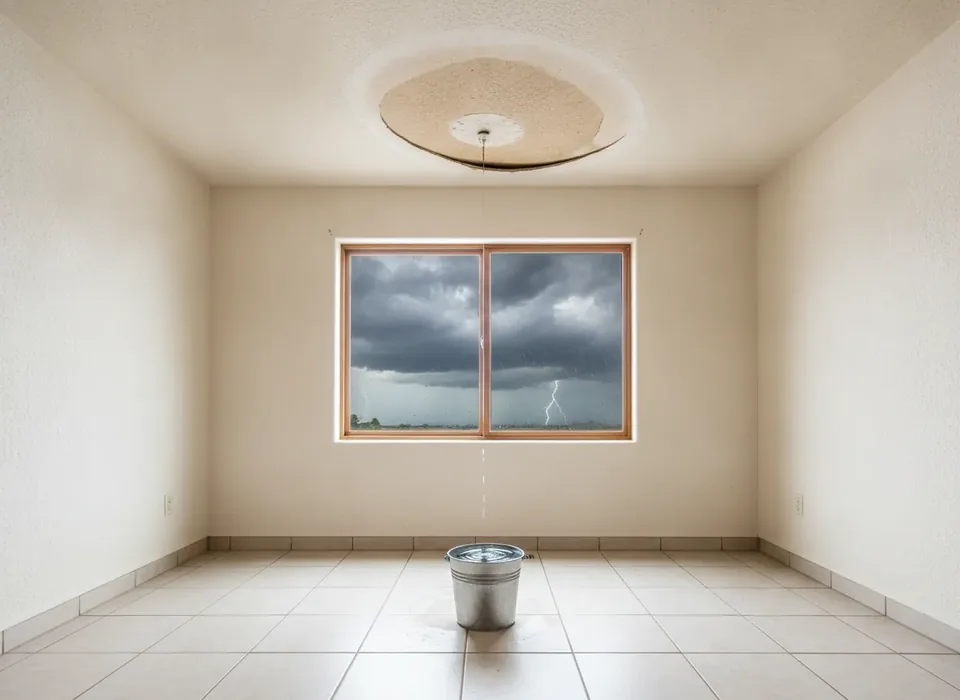
Cracked tile, tired underlayment and clogged scuppers turn a summer storm into a ceiling stain.
Learn more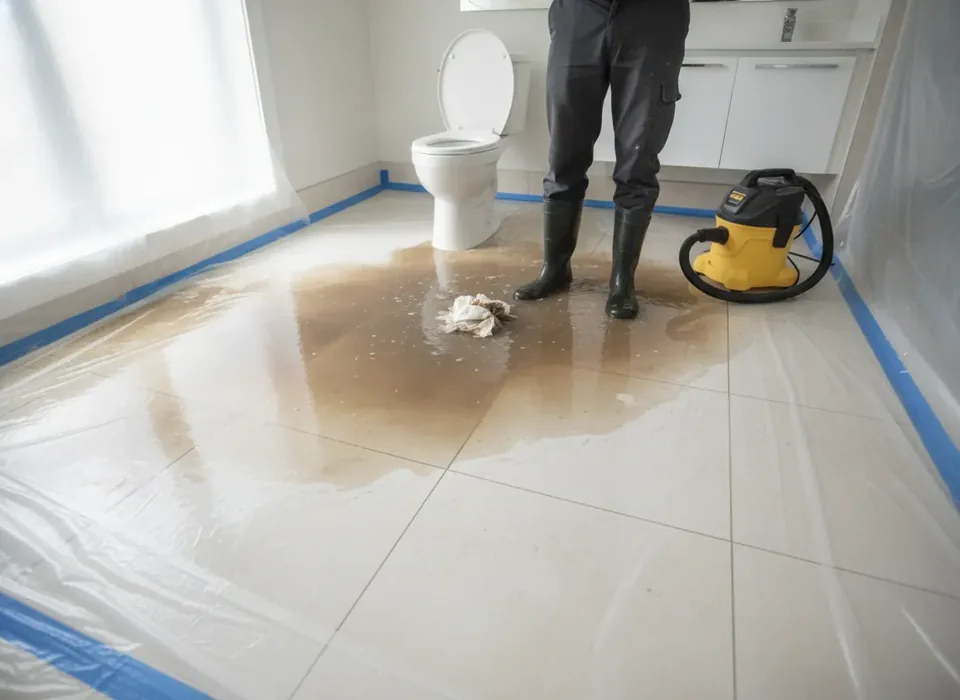
Category 3 water. Containment, removal of porous materials and disinfection before drying.
Learn more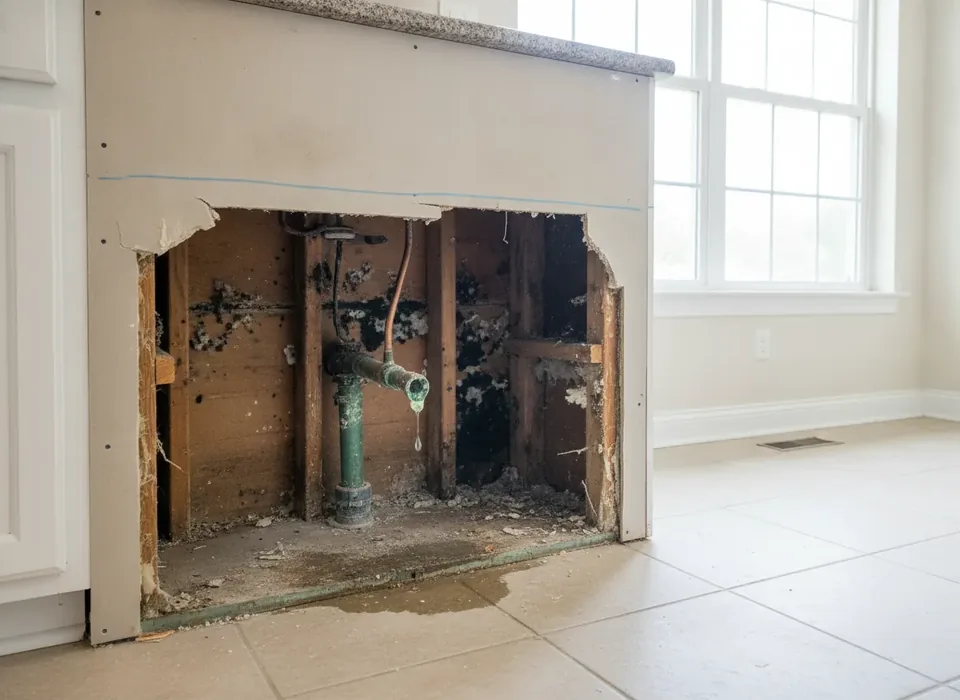
Growth behind cabinets and baseboards after a slow leak. What remediation involves and costs.
Learn more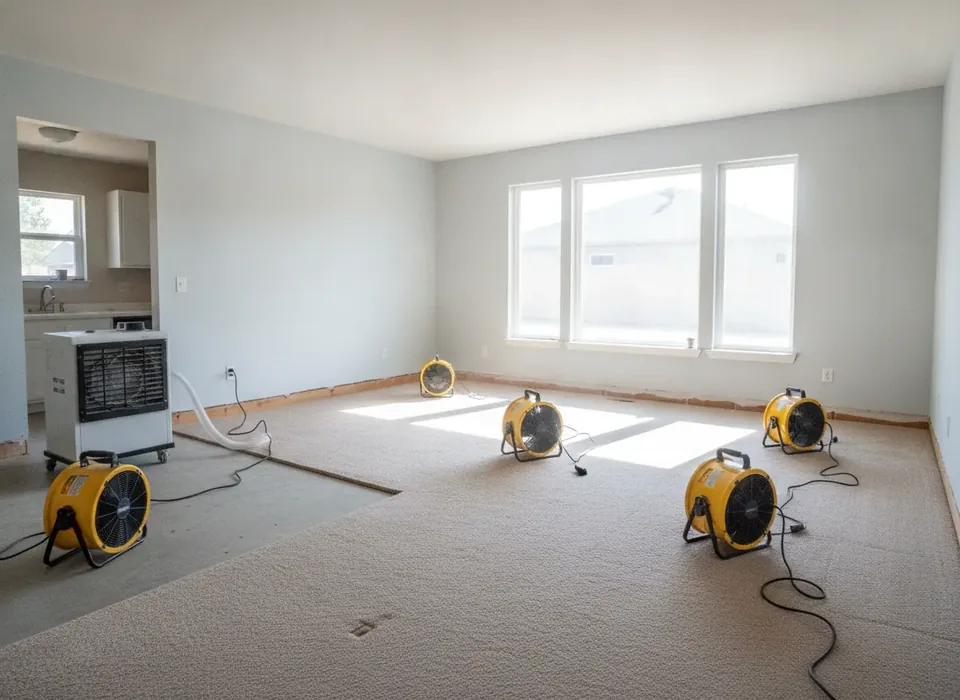
Air movers, dehumidifiers and daily moisture readings until walls, slab and framing read dry.
Learn more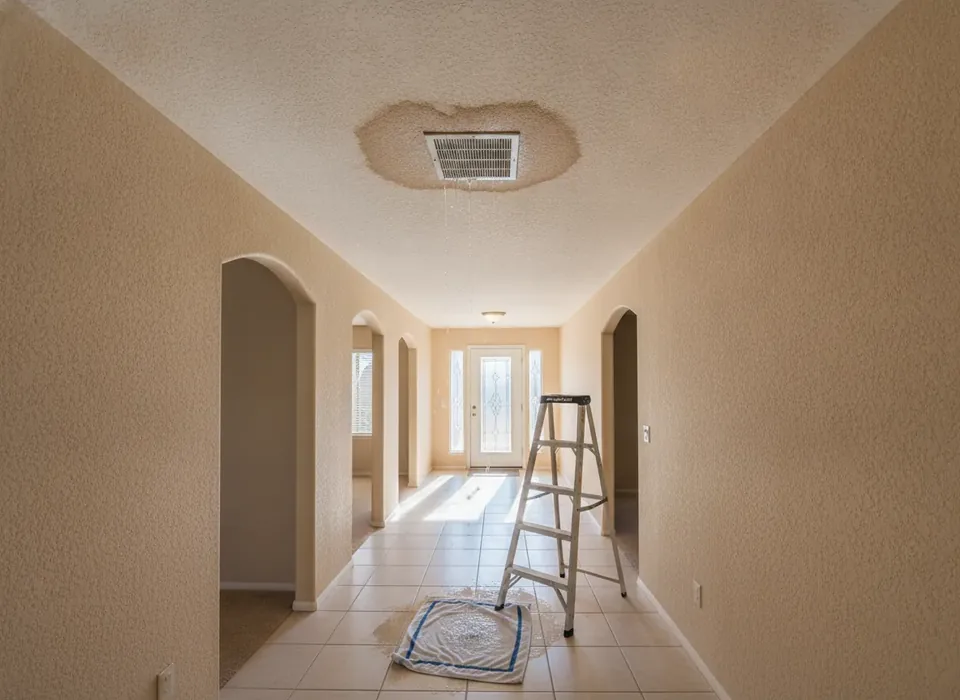
Attic air handler condensate overflows and swamp cooler roof leaks that show up as ceiling stains.
Learn moreChandler Water Damage Pros is a quote service, not a contractor. The companies that reply are independent businesses you hire directly.
What leaked, when it started, which rooms are wet and whether water is still running. The form takes about a minute, or call.
Independent restoration companies that serve your ZIP code receive the details and contact you with availability and a quote.
Check each license at roc.az.gov, compare the scope line by line, and choose. No fee, no obligation. See the full restoration process.
National cost guides put a typical residential job at $1,200 to $5,000. Fixr's average is about $3,000; HomeAdvisor's is $3,833, with most homeowners paying $1,364 to $6,301. Extraction runs roughly $3.75 to $4.25 per square foot for clean water and $7 to $7.50 for sewage.
The number moves with three things: how much is wet, how dirty the water is, and how long it sat before anyone started drying. A slab leak adds a plumber's bill on top.
Chandler doesn't have basements or frozen pipes. It has its own set of problems, and they shape what a restoration job looks like here.
The National Weather Service defines the Phoenix-area monsoon as June 15 through September 30. Storms are short and violent: in August 2021 the Chandler Municipal Airport gauge logged 2.72 inches in six hours, and a July 2022 storm flooded streets across Chandler, Gilbert and Queen Creek. A single cracked roof tile or a clogged scupper is enough to send water into the attic and through the ceiling. City floodplain maps show only small pockets of 100-year floodplain, mostly next to canal banks and railroad embankments where water ponds.
Slab-on-grade construction is the norm in Valley tract homes, per local plumbers, with water lines running in or under the concrete. When a line under the slab fails, the first sign is often a warm spot on the floor, a hissing sound or a water bill that jumps. Water spreads sideways under tile and carpet before it shows. A plumber handles detection and the pipe; a restoration company handles drying. More on slab leak water damage.
The City of Chandler reports an average hardness of 16.5 grains per gallon, which the Water Quality Association scale rates as very hard. Scale builds up in water heaters, valves and supply lines. The city's own FAQ notes manufacturers suggest flushing a water heater every six months without a softener. Tanks and braided supply lines that are never flushed or replaced are a common source of garage and laundry-room floods; see burst pipe and water heater leaks.
Some homes have the air handler in the attic. When the condensate line clogs with algae, dust or scale, the pan overflows and the first sign is a stain on the ceiling around a vent. Monsoon humidity increases the amount of condensate. See AC and evaporative cooler leaks.
For most of the year Chandler's dry air speeds up drying. During the monsoon, humidity climbs and drying slows, and the outdoor heat can make a wet wall feel dry to the touch when it isn't. That is why companies use moisture meters and keep the AC running while equipment works.
Census data shows about 73% of Chandler's homes were built between 1980 and 2009, with a median year built of 1997. Those homes are now 20 to 45 years old, the age when original water heaters, copper lines, supply hoses and tile roof underlayment reach the end of their life.
Quotes are available across Chandler, including Ocotillo, Fulton Ranch and SunBird, and the surrounding East Valley.
Shut off the main water valve, then switch off breakers to any wet room and stay out of water near outlets. Photograph and video everything before moving it. Then request quotes through the form or call so independent East Valley restoration companies can respond. Lift furniture off wet carpet if it is safe to do so.
National cost guides put a typical job at $1,200 to $5,000, with averages near $3,000 (Fixr) and $3,833 (HomeAdvisor). Clean-water extraction runs about $3.75 to $4.25 per square foot; sewage runs $7 to $7.50. East Valley quotes vary with the wet area, water type and how long it sat. See the cost guide for a calculator.
No. Chandler Water Damage Pros is a free quote service. You describe the problem once and independent, Arizona ROC-licensed restoration companies that serve your ZIP code reply with quotes. Those companies do the extraction, drying and any rebuild, and you hire them directly. There is no fee to you and no obligation to hire anyone.
Usually, when the damage is sudden and accidental, such as a burst supply line or a failed water heater. Gradual leaks, long-term seepage and flood (rising surface water) are commonly excluded; flood needs a separate NFIP or private flood policy. You pay your policy's deductible. Read your policy and ask your adjuster about your specific loss.
Most clean-water losses take about three to five days of drying equipment, confirmed with daily moisture readings. Chandler's dry air usually helps, but monsoon humidity, wet concrete slab and water trapped under tile can stretch it. Good companies keep a dry log and only remove equipment when materials read dry.
Search the company name or license number at the Arizona Registrar of Contractors, roc.az.gov. Licensees must show "ROC" followed by their number on bids, estimates and ads. Tear-out and rebuild of drywall, flooring or cabinets is contracting work in Arizona, so the company doing it should hold a current ROC license.
Tell us what happened and independent East Valley restoration companies can reply with no-obligation quotes.